Most Roof Leaks in Memphis Start in One Specific Place
Here’s something I tell homeowners all the time. When water shows up inside your house after a storm, most people assume a shingle blows off or something cracked. And sometimes that’s true. But a lot the time more than you’d think the real culprit is the flashing.
Flashing is the metal that seals the edges and transitions on your roof. Around chimneys, along walls, at valleys where two roof planes meet, around skylights and vent pipes. It’s not the part people talk about much. But it’s one of the most important parts of your entire roof system, and when it fails, roof leaks follow fast.
What Is Flashing and Why Does It Fail?
Let’s back up for a second. Flashing is typically thin strips of metal aluminum, galvanized steel, or sometimes copper installed wherever the roof meets another surface or changes direction. Its job is to keep water from getting into those transitions. Without it, every seam and edge on your roof would be an open invitation for water.
So why does it fail? A few reasons. And they come up constantly in Memphis.
Age and corrosion. Metals don’t last forever, especially in a climate with humidity like ours. Over time, flashing corrodes, develops small pinholes, and starts to pull away from the surfaces it’s sealing. What was once a tight seal becoming a gap. And that gap is all it takes for roof leaks to start working their way in.
Poor original installation. This is a big one. Flashing that wasn’t installed correctly from the start will fail sooner than it should. Improper overlaps, insufficient sealant, or flashing that was just nailed down without being properly embedded. These are installation shortcuts that create problems down the road. We see it regularly when we get called in for roof flashing repair after another company did the original work.
Movement and thermal expansion. Memphis temperatures swing hard. Hot, humid summers and cold winters mean your roof materials are constantly expanding and contracting. Over the years, that movement works on the flashing loosening fasteners, cracking sealant, pulling metal away from the surfaces it’s bonded to. This is one of the most common reasons flashing replacement becomes necessary even on roofs that were installed correctly.
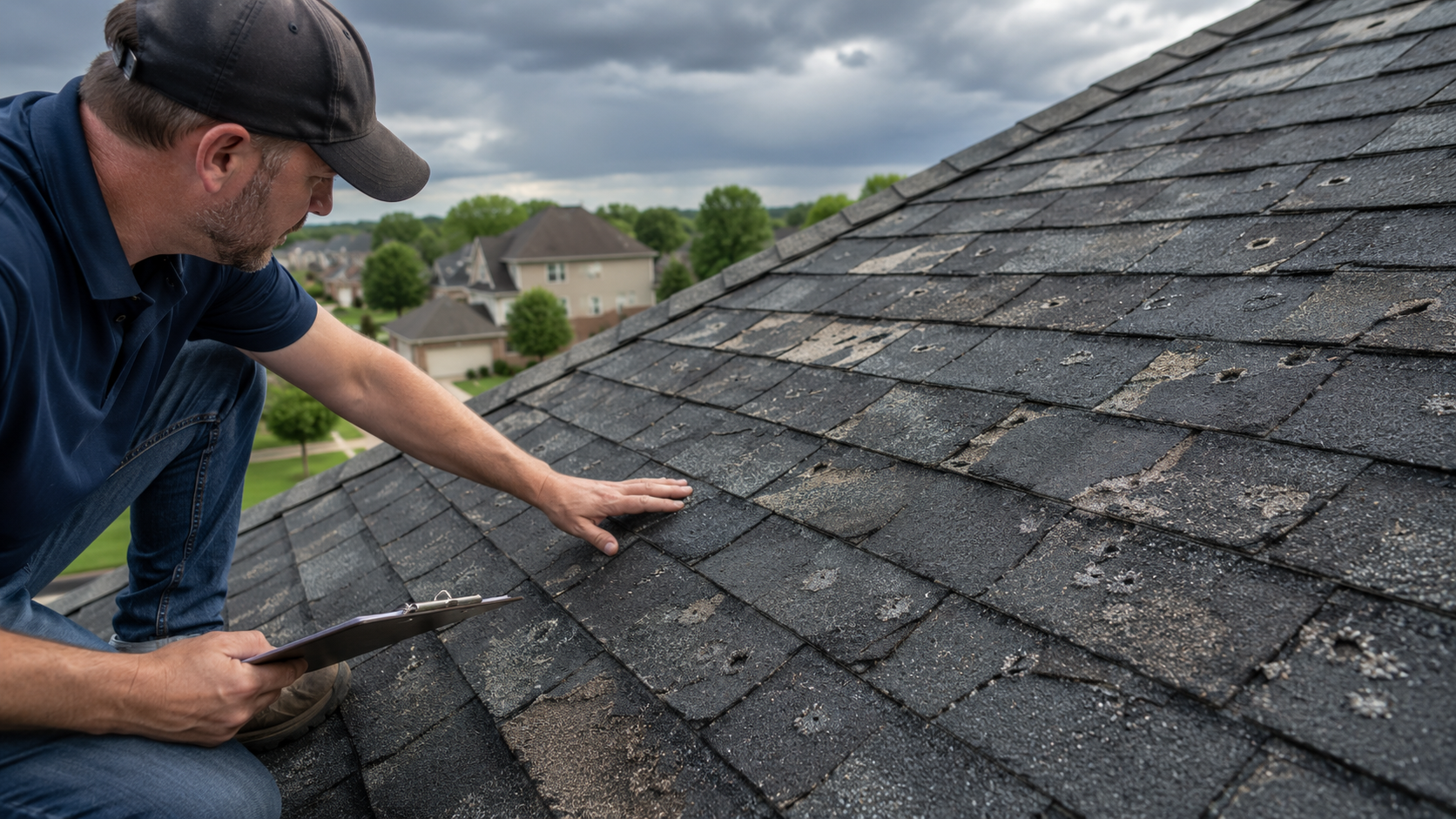
Storm damage. High winds can lift flashing; that’s already a little loose. Hail can dent and crack it. After a significant storm event in Memphis, flashing is one of the first things we check because damaged flashing that goes unnoticed leads to water intrusion that spreads quietly for weeks or months before anyone sees it.
Where Flashing Problems Show Up Most
Not all flashing is equally vulnerable. There are a few spots that fail more often than others and knowing where to look helps with roof leak prevention.
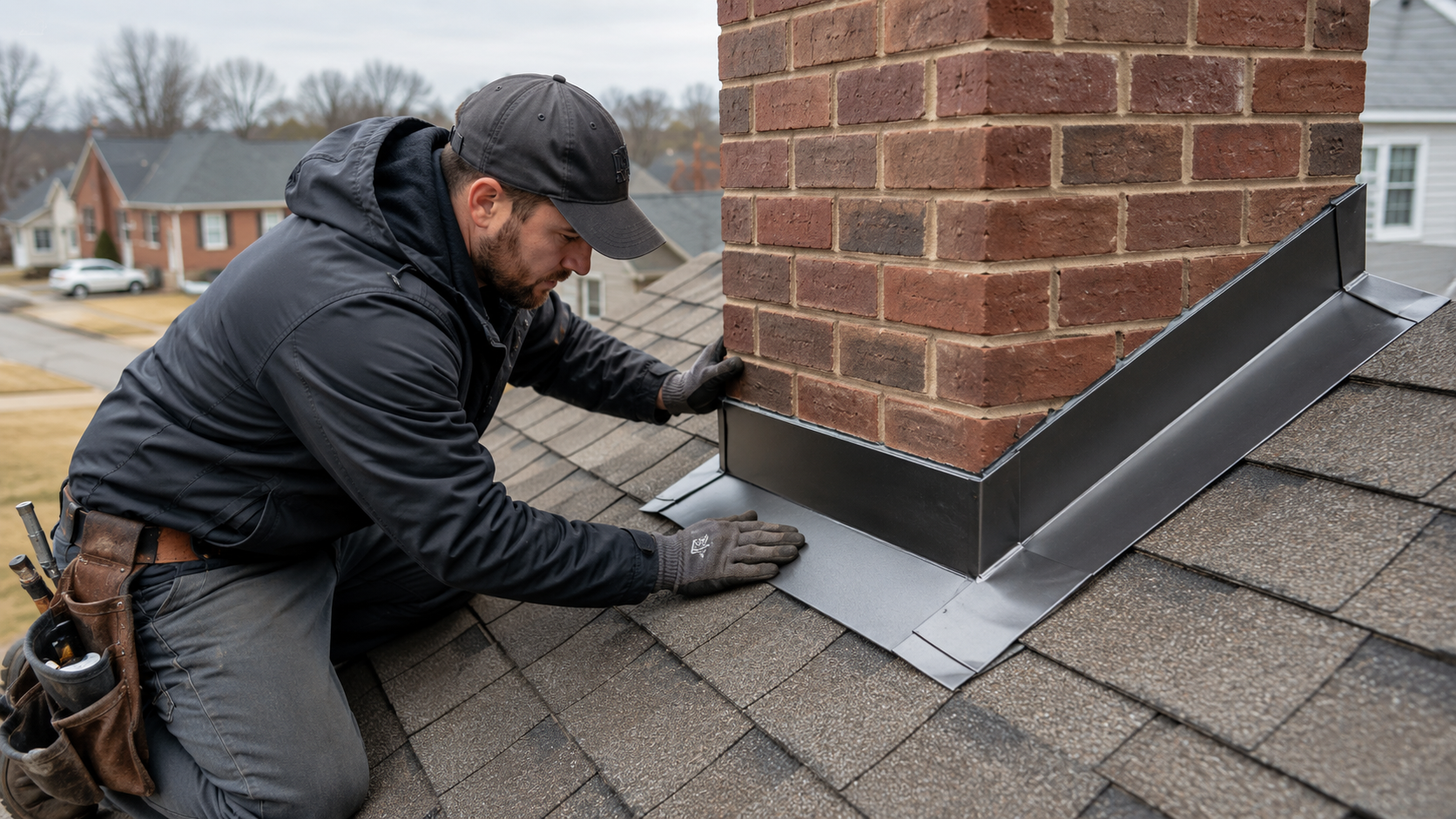
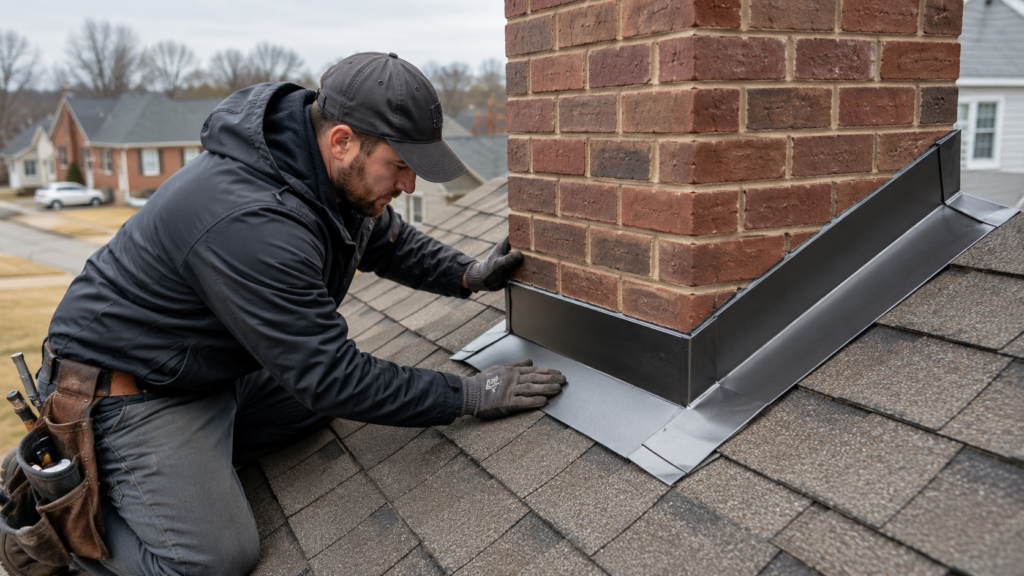
Chimney flashing is probably the most common failure point we see. It’s exposed on all four sides, it has multiple pieces that have to work together, and it takes a lot of weather stress. When chimney flashing starts to separate or corrode, water has a direct path into the roof deck and sometimes straight into the attic or wall cavity.
Valley flashing the metal that runs in the low V-shaped, where two roof slopes meet handles more water concentration than anywhere else on the roof. When it fails, the volume of water coming through is significant.
Pipe boot flashing around vent pipes is another frequent problem. The rubber collar around these boots dries out, cracks, and eventually shrinks away from the pipe. It looks minor. It’s not.
If you haven’t had your roof inspected in a few years, these are the areas worth having someone look at closely. Catching a flashing issue early is the difference between a straightforward roof flashing repair and a much larger project.
How to Prevent Flashing Failures Before They Start
Roof leak prevention doesn’t have to be complicated. It mostly comes down to two things: good original installation and regular inspection.
Start with installation. When you’re getting a new roof or having any roofing work done, make sure the contractor knows what they’re doing with flashing specifically. It’s not just about laying shingles. The flashing details around every chimney, every vent, every wall transition need to be done right. Ask about the materials they use and how they handle each transition point. A contractor who gives you a clear answer is one who’s actually thought about it.
Then keep up with inspections. Twice a year is what we recommend once before storm season in the spring, once in the fall after it winds down. A proper inspection includes getting eyes on every flashing detail, not just the field of the roof. That’s how small issues get caught before they turn into roof leaks that do real damage.
And if you’ve had a significant storm come through your neighborhood, don’t wait for the next scheduled inspection. Get someone out there. Roof flashing repair done right after a storm event is almost always faster and cheaper than dealing with the water damage that follows if you let it go.
Trust me, the fix is always easier before the water gets in.
When Flashing Needs to Be Replaced Entirely
Sometimes repair isn‘t enough. If the flashing has been in place for a long time, if it’s heavily corroded, or if the original installation was poor enough that patching it just delays the problem, flashing replacement is the right call.
This comes up a lot when we’re doing a full roof replacement. We always assess the flashing condition at the same time because putting a new roof over failing flashing just moves the problem to the next homeowner or the next storm season. Done right, flashing replacement as part of a full roof job gives you a system that works together from the start.
FAQ
- How do I know if my flashing is causing a roof leak?
The signs can be subtle. Look for water stains on ceilings or walls near chimneys, skylights, or roof valleys. Check your attic for moisture, dark spots on the decking, or daylight showing around penetrations. Outside, look for flashing that appears lifted, bent, or separated from the surface it’s supposed to seal. If you notice any of this after a rain event, roof flashing repair should be your first call, not a full roof inspection assumption. A targeted look at the flashing often tells us everything we need to know. - Can I repair flashing myself?
For small temporary patches, some homeowners use roofing caulks or sealant to stop an immediate leak. That can buy you some time. But it’s not a permanent fix, and it doesn’t address why the flashing failed in the first place. Proper roof flashing repair involves removing the compromised section, assessing what’s underneath, and reinstalling the right materials and method. Doing it wrong creates a false sense of security and can trap moisture beneath the patch. For anything more than a quick stopgap, get a professional out there. - How long does flashing last?
It depends on the material and installation. Aluminum flashing typically lasts 20 years or more. Copper can last much longer. Galvanized steel falls somewhere in between but is more vulnerable to corrosion in humid climates like Memphis. That said, even good materials fail early if they weren’t installed correctly. If your roof is approaching 15 to 20 years old and you’ve never had the flashing assessed, that’s worth adding to your roof leak prevention checklist. - Does flashing need to be replaced when I get a new roof?
In most cases, yes or at minimum it needs to be thoroughly inspected and assessed. Flashing replacement during a roof job is often the right move because old flashing may not have much life left, and it needs to be compatible with the new roofing system. Some flashing copper chimney caps can often be reused if they’re in good shape. A roofing contractor should walk you through what they recommend and why, not just assume everything gets replaced or assume nothing does. - What’s the difference between roof flashing repair and full flashing replacement?
A roof flashing repair typically addresses a specific failure point resealing a lifted section, replacing a single piece that’s cracked, fixing a pipe boot that’s dried out. It’s targeted and fast when the rest of the flashing is still in decent condition. Flashing replacement means removing and reinstalling entire sections around a chimney, for example, or along a full wall transition. This is usually needed when the flashing is too corroded or too compromised to patch reliably. Both are part of smart roof leak prevention; the question is just how much of the existing system is worth keeping.